
Throughout our lives, we may go through experiences that are difficult to process and leave a profound emotional impact. When these experiences cannot be adequately integrated, they may continue to be triggered in the present, taking the form of anxiety, emotional blocks, intrusive memories, or relationship difficulties.
EMDR therapy (Eye Movement Desensitization and Reprocessing) is an evidence-based psychotherapy approach that helps reprocess traumatic or emotionally intense experiences so they can be integrated in a more adaptive way. Through this process, the brain can reorganize the information associated with these experiences, reducing their emotional impact and promoting a greater sense of well-being and inner safety.
At Centre )Eines(, we use EMDR to support people working through trauma and difficult life experiences, always taking a careful, gradual approach that respects each person’s pace. EMDR is integrated into the overall therapeutic process rather than used as a standalone technique.
EMDR therapy is recognized by the WHO as an effective treatment for trauma and PTSD.
Some single-incident traumas can be processed in just a few EMDR sessions.
We use EMDR with adults, children, and adolescents, following adapted protocols.
We integrate EMDR into the therapeutic process, tailoring it to each person’s pace and needs.
EMDR therapy follows a structured eight-phase protocol designed to ensure that the work progresses safely and gradually. It always takes place within a stable therapeutic framework and at a pace tailored to each person.
During the initial phases of EMDR therapy, we assess the client’s history and work on emotional stabilization in the present, strengthening the resources needed before beginning processing.
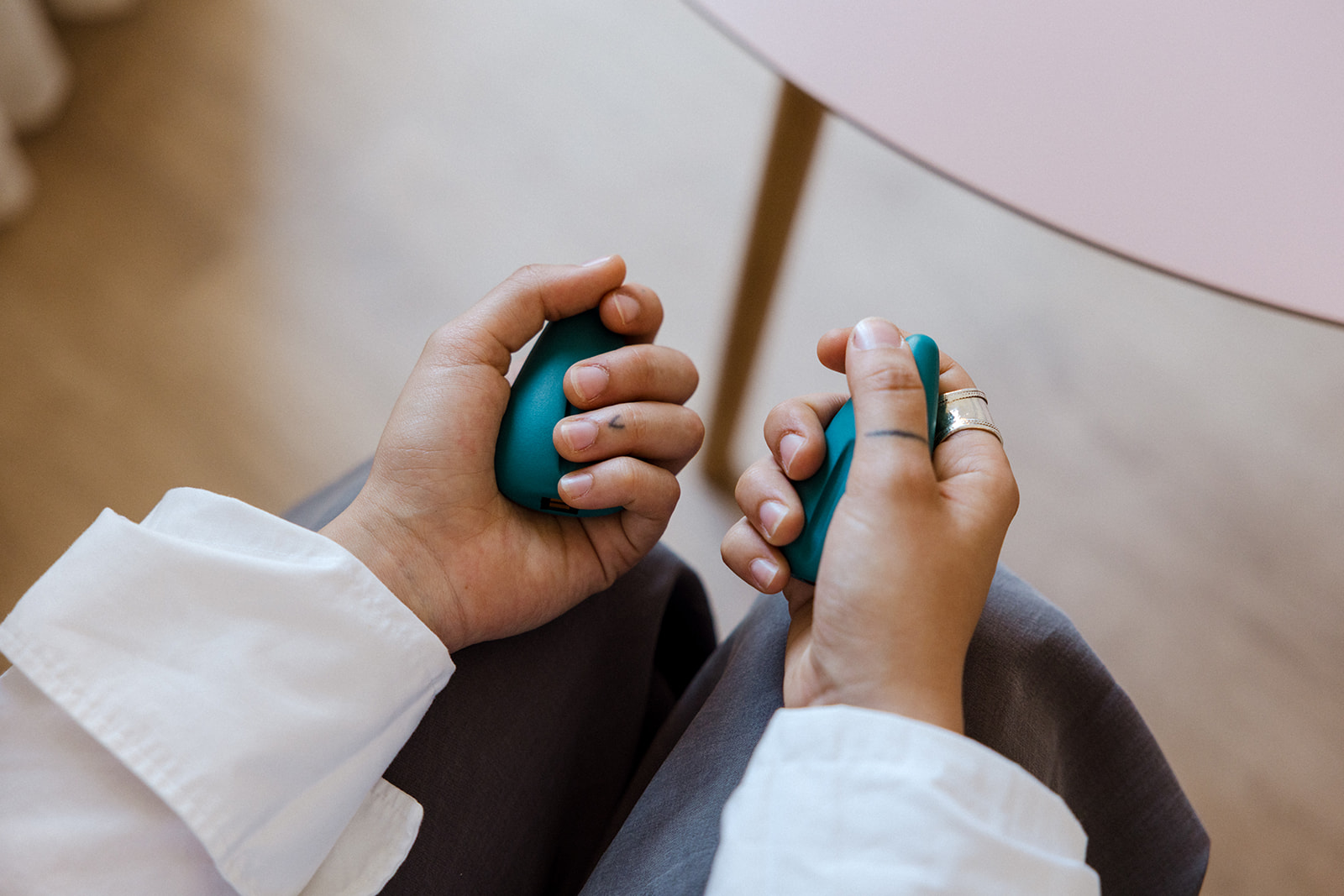
Bilateral stimulation, through eye movements or other forms of alternating stimulation, facilitates the processing of traumatic or distressing experiences, allowing memories to be integrated and their emotional impact to gradually decrease.
Once the experiences have been processed, positive beliefs are strengthened and the resources developed are reinforced, promoting a greater sense of safety and ability to cope with the present.
EMDR therapy in Barcelona is particularly suited to working with traumatic experiences, but its applications extend much further. Below are the main concerns we address using this approach.
If you think EMDR therapy could help you or have questions about whether it is right for you, get in touch with no obligation. We offer EMDR therapy online and in Barcelona. We can provide guidance before you book an appointment.
At Centre )Eines(, our psychologists are trained in EMDR therapy to work with adults, children, and adolescents.
EMDR includes different treatment protocols that allow us to tailor the work to each person and their needs. One of its distinctive features is that bilateral stimulation helps the brain and nervous system process and integrate experiences that, because of their emotional impact, may have been stored in memory networks in a way that continues to cause distress, without relying solely on language or cognitive reflection.
EMDR is tailored to each person’s current circumstances, age, and needs. It incorporates emotional regulation and stabilization resources that allow the work to progress gradually and at a pace that respects each client.

EMDR therapy (Eye Movement Desensitization and Reprocessing) is an evidence-based psychotherapy approach that helps the brain reprocess difficult experiences that remain emotionally unresolved. It is recognized by the WHO and the APA as an effective treatment for trauma and post-traumatic stress disorder.
Through bilateral stimulation, usually eye movements, the brain can reorganize information associated with difficult experiences, reducing their emotional impact. The person recalls the experience while following the stimulation, allowing the memory to become less emotionally intense and to be integrated in a more adaptive way.
It depends on the complexity of the trauma. Some single-incident traumas can be processed in a few sessions. Complex or relational trauma that has developed over time requires a longer process. The preparation phase before processing begins may itself take several sessions.
Yes. There are specific EMDR protocols adapted for children and adolescents, using expressive tools such as drawing or dolls to support the therapeutic work. It is particularly effective for children who have experienced difficult events such as accidents, loss, bullying, or traumatic life changes.
The main difference is the processing mechanism: while other therapies work with trauma primarily through language and cognition, EMDR uses bilateral stimulation to activate adaptive information processing directly within the nervous system. This allows difficult experiences to be addressed with less verbalization and, in many cases, more quickly than with other approaches.